
Ontario Electrical Notifications for Pot Lights
Know who may be hired for residential electrical work in Ontario, how notifications relate to the work and what a Certificate of Acceptance means.

The licensed contracting rule comes first
The Electrical Safety Authority states that only Licensed Electrical Contractors may be hired to perform electrical work in an Ontario home, subject to limited exemptions. A person may be a trained electrician or hold other trade qualifications without operating a Licensed Electrical Contracting business. For a homeowner hiring work, the business licence is the key verification.
A general renovator cannot simply include residential electrical work in its own labour unless it holds the required electrical contractor licence. If electrical work is subcontracted, the homeowner should know which Licensed Electrical Contractor is responsible and can confirm the licence through ESA’s official search.
- Ask for the exact licensed business name.
- Verify the licence using ESA’s contractor search.
- Ensure the electrical quote identifies the responsible contractor.
- Do not treat a business name or trade title as proof of licensing.
- Keep the contractor and notification records with the property file.
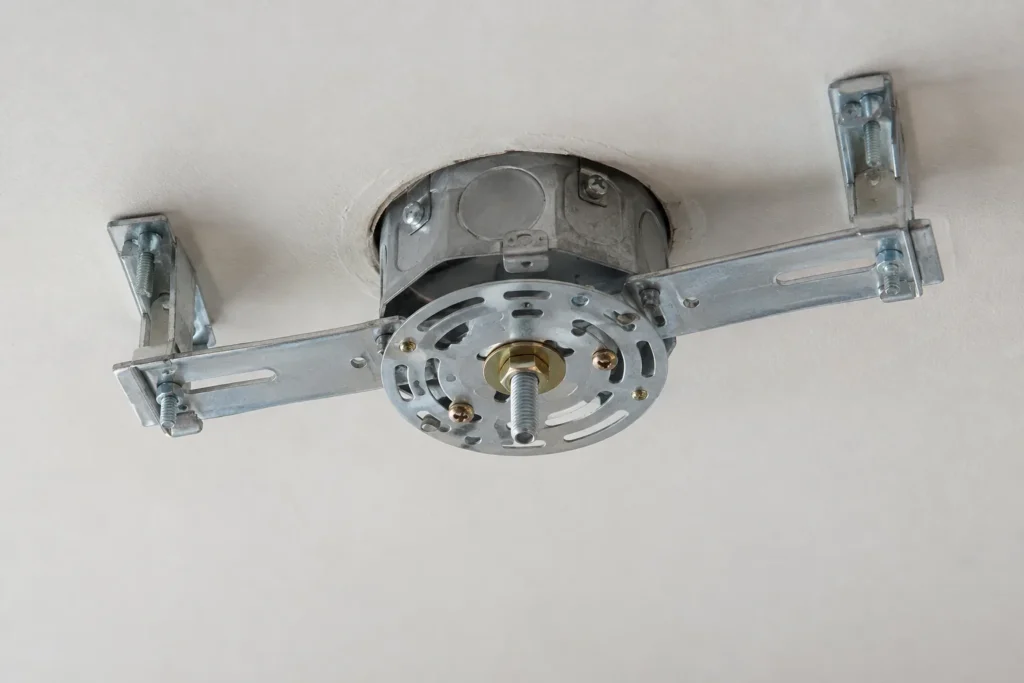

A notification is tied to defined electrical work
ESA uses the term notification for the formal record of electrical work that falls within its oversight. Homeowners often call it a permit. Whether a particular replacement, alteration or new installation needs a notification depends on the work and the applicable rules, not on how small the fixture appears.
New pot-light locations commonly involve changes to wiring and devices. A direct fixture replacement in an owner-occupied home may be treated differently in limited circumstances. ESA advises homeowners to contact it when they are unsure rather than applying a broad internet statement to their project.
- New wiring and new outlets differ from a simple like-for-like change.
- Circuit alterations should be described accurately.
- Exterior, bathroom and finished-ceiling work can add product and access questions.
- The notification should match the actual installation.
- Changes in scope may need to be reflected in the notification process.
Inspection is not identical on every notification
ESA explains that it determines which notified installations it inspects. Depending on the installation and its risk-based oversight process, ESA may inspect all, some or none of the physical work before acceptance. The absence of a site visit does not remove the obligation to comply with the Ontario Electrical Safety Code.
An inspection is limited to the installation, product or device described in the notification. It does not certify unrelated electrical systems throughout the home. This distinction matters when homeowners retain records for a renovation or future sale.

Certificate of Acceptance
ESA states that once the notified electrical installation has been reviewed and accepted, the person who filed the notification receives a Certificate of Acceptance. When the Licensed Electrical Contractor filed it, the homeowner should ask for a copy for the property records.
The certificate relates to the notified work. It is useful documentation for the homeowner, future service and property transactions, but it should not be described as a blanket approval of every electrical component in the building.
- Retain the certificate number and document.
- Keep the final electrical scope with it.
- Record fixture and control model information.
- Store photographs of concealed work when available.
- Do not imply the certificate covers work outside the notification.
Questions to ask before accepting a quote
Ask which Licensed Electrical Contractor will perform the electrical work, whether the described scope requires an ESA notification, who will file it and whether the fee is included. If the scope changes after investigation, ask how the notification and quote will be updated.
Avoid accepting vague wording that only says work will be completed “to code” without identifying the licensed contracting business. Also avoid a licence number displayed without a business name that can be checked through the official search.
How Oakville Pot Lights presents licensing information
This website does not publish a claim that Oakville Pot Lights is a Licensed Electrical Contractor unless a verified ECRA/ESA licence number has been entered in the theme’s verified business field. When that field is empty, no licence badge or wording appears on the public site.
For every project, homeowners should independently confirm the Licensed Electrical Contractor responsible for hired electrical work. Educational content on this site is not a substitute for the current Ontario Electrical Safety Code, ESA direction or advice based on the conditions at the property.
Current-source checklist
Rules, forms, fees and oversight processes can change. Use ESA’s current Notifications and Inspections page, its contractor licensing search and direct customer service when a project-specific answer is required. Municipal building or heritage considerations may be separate from electrical notification.
A lighting project can also intersect with drywall, cabinetry, insulation, roofing and structural work. The electrical notification addresses the notified electrical installation; it does not replace any separate approval or trade requirement that may apply to those other parts of the project.
Apply ontario electrical notifications for pot lights to the actual property
A guide is most useful when it produces a short list of facts to verify. Measure the room or exterior area, record ceiling height, identify the surfaces and activities that need light, and photograph the complete setting from normal viewpoints. Include existing fixtures, switches, vents, bulkheads, cabinetry and any safely accessible unfinished space. Those details make product and route discussions specific without pretending that photographs reveal concealed conditions.
Separate decisions into three groups. First are visible outcomes: where light should land, how bright the area should feel and which fixtures should be visually quiet or decorative. Second are installation conditions: framing, wiring, boxes, support, exposure and access. Third are operating choices: switching zones, dimming, sensors, schedules and connected features. A complete scope addresses all three instead of reducing the project to a fixture count.
Review the proposal from normal standing and seated positions, not only from directly below a fixture. A ceiling arrangement can look orderly while missing a counter, producing television glare or making a bright aperture conspicuous over a bed. Exterior positions also need views from the property edge, driveway and neighbouring directions. These observations translate general guidance into useful location priorities.
Ask the written quote to name the proposed products, quantities, control devices, access assumptions, protection, cleanup, notification handling and exclusions. Where a route or support condition cannot be verified in advance, the quote should explain how a change is assessed and approved. Drywall finishing, painting, cabinetry, structural work and other trades should be identified clearly rather than assumed.
After installation, review output, glare, dimming and control operation in the conditions where the lighting will be used. Exterior aiming should be checked after dark from the property edge and neighbouring directions. Keep the layout, product model numbers, colour settings, control data and any Certificate of Acceptance with the property records so future service does not begin from guesswork.
- Verify the room, target surfaces and ceiling height.
- Match product data to the exact location.
- State concealed-condition and finish assumptions.
- Confirm the Licensed Electrical Contractor responsible for electrical work.
- Retain the final product, control and acceptance records.
Ontario Electrical Notifications for Pot Lights FAQs
Who may be hired for electrical work in an Ontario home?
ESA states that only Licensed Electrical Contractors may be hired for residential electrical work, subject to limited exemptions. Verify the licensed business through ESA’s official search.
Does every notification receive a site inspection?
No. ESA determines which notified installations it inspects and may accept some work without a site visit. The installation still has to comply with the Ontario Electrical Safety Code.
Who files the notification?
For hired electrical work, the Licensed Electrical Contractor responsible for the work handles the applicable notification process. Confirm this in the quote.
What does the Certificate of Acceptance cover?
It relates to the electrical work described in the notification that ESA accepted. It should not be presented as approval of unrelated systems throughout the property.
Should I keep the certificate?
Yes. Ask for a copy and keep it with the electrical scope, fixture information and other renovation records.
Plan the lighting around the space—not a generic grid.
Share the room or exterior area, ceiling height, current lighting, preferred fixtures and any photos that show access conditions. That information makes the first conversation more useful.